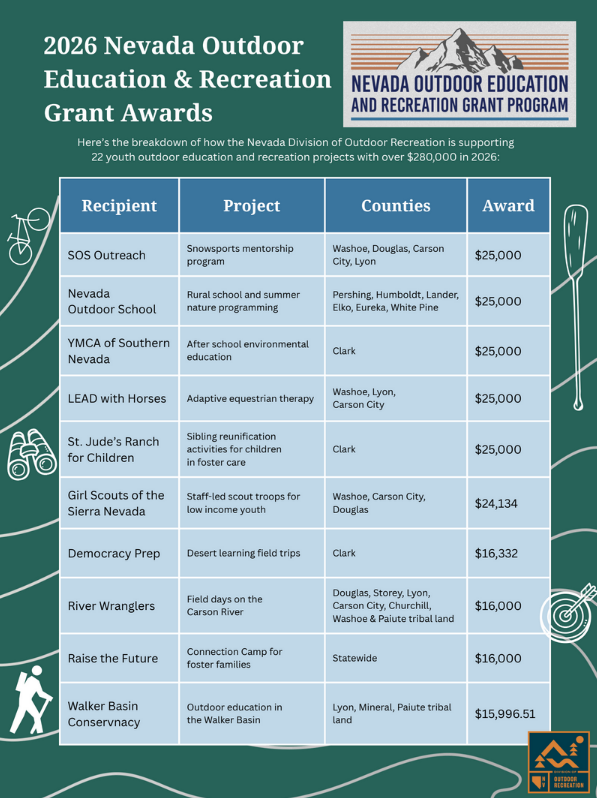
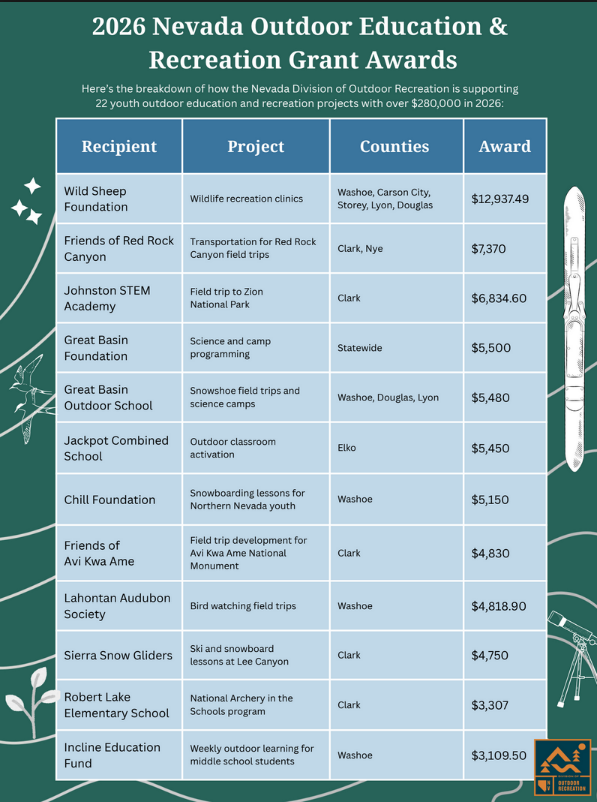
A source of pride for many families in Nevada is easy access to trails, parks, and wide-open spaces: places like Red Rock Canyon, Lake Mead, Wetlands. Areas where learning happens through curiosity and play.
Yet for kids in communities with little green space, growing up just miles away, that access can feel out of reach. They want to be there. But it depends on if a program can cover the cost of a bus, if a field trip gets approved, if funding stretches far enough to make the experience possible.
The Power Scholars program at the YMCA of Southern Nevada is changing that for kids in Clark County. Exploring colorful canyons, smelling sagebrush, and running on rocky paths is becoming a reality for the next generation of Nevadans.
Planting the Seeds of Access
What started as a labor of love has grown into something much bigger.
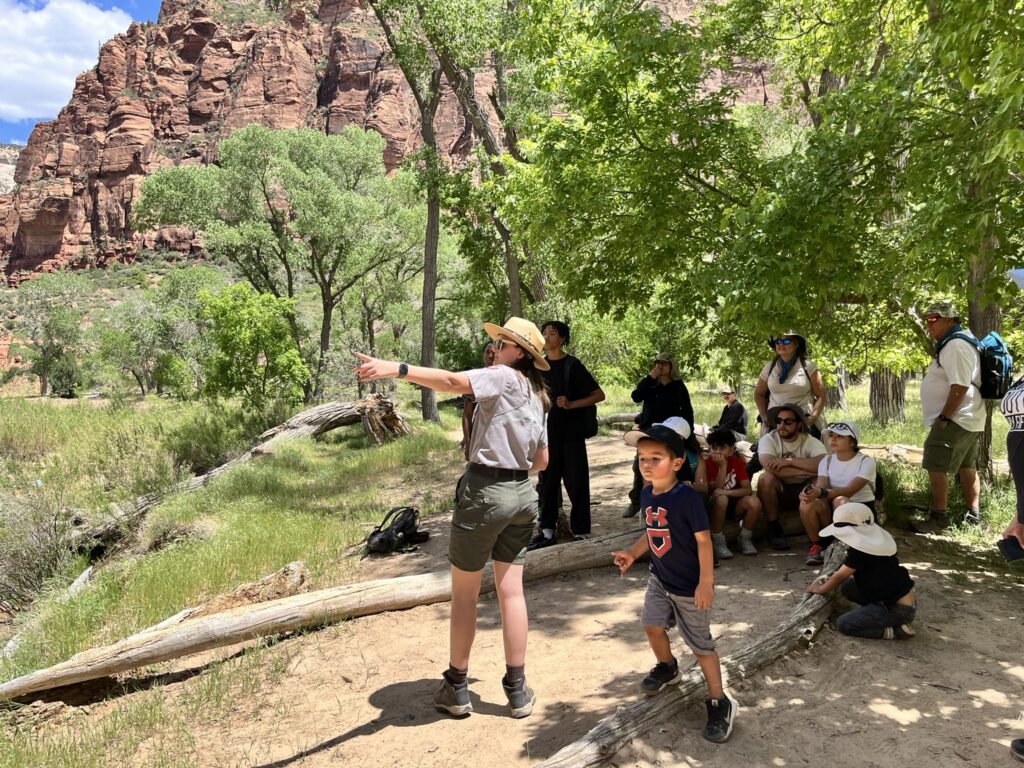
Erica Stegall, former Vice President of Youth Development at the YMCA of Southern Nevada, began taking 20 to 30 members out on a hike every month. No formal budget, just a belief that Southern Nevada kids deserved to see the land they live on. Early support came through Michelle Obama’s Let’s Move! campaign. Then through a partnership with the national YMCA team and National Parks Services, the Y brought veteran members all the way to Zion!
There, Stegall saw how meaningful this type of recreation was. She recognized that it’s about belonging: young people seeing themselves in public spaces that had never been built with them in mind.
That recognition planted the seed for what Power Scholars would become.
(Photo Courtesy: YMCA of Southern Nevada)
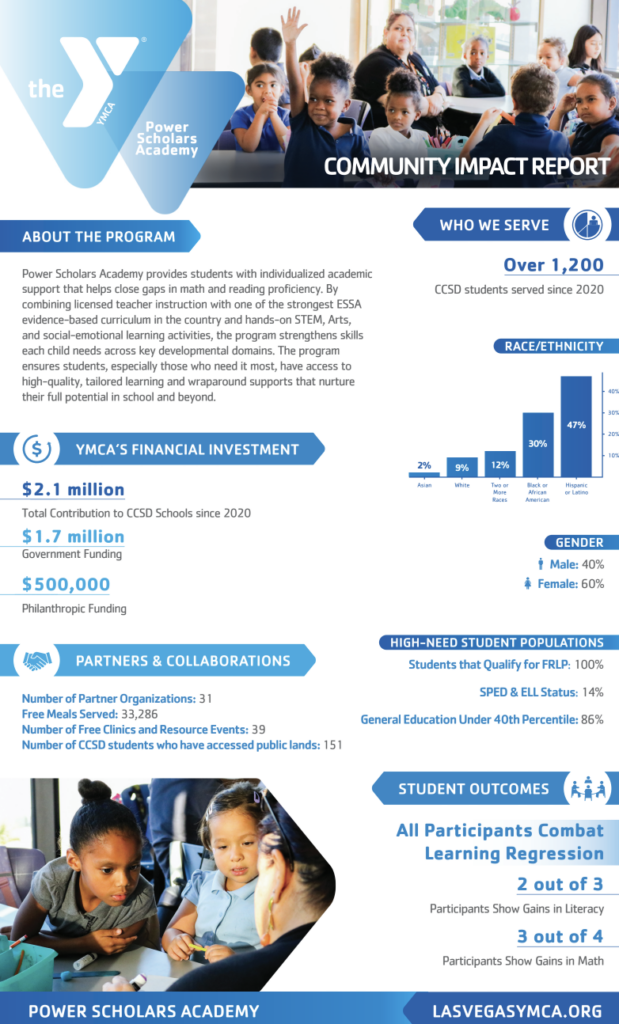
Today, the Power Scholars program serves K–5 students across four schools in Clark County, including Katz Elementary. It’s a free academic intervention program designed for students performing below grade level, many around the 40th percentile. It integrates experiential education and place-based learning with field-based environmental immersion.
Since 2020, the YMCA of Southern Nevada has served more than 1,200 students at Title 1 schools, with 85% identifying as students of color and a majority as Latinx/Hispanic.
The program meets students where they are. After school, the students get support with the lessons and homework from their day. Then they get to do something many of them never have done before: step outside, and let the desert itself be the lesson.
A Classroom Without Walls
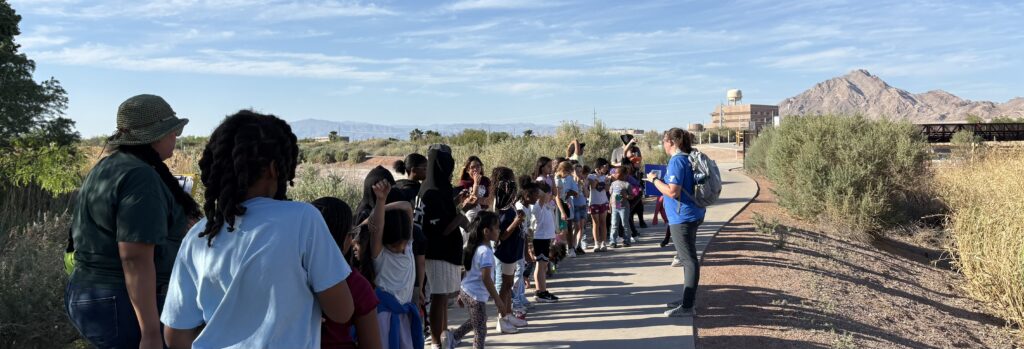
We had the honor of joining Power Scholars at Katz Elementary, and watching what happens when outdoor education moves from concept to lived experience.
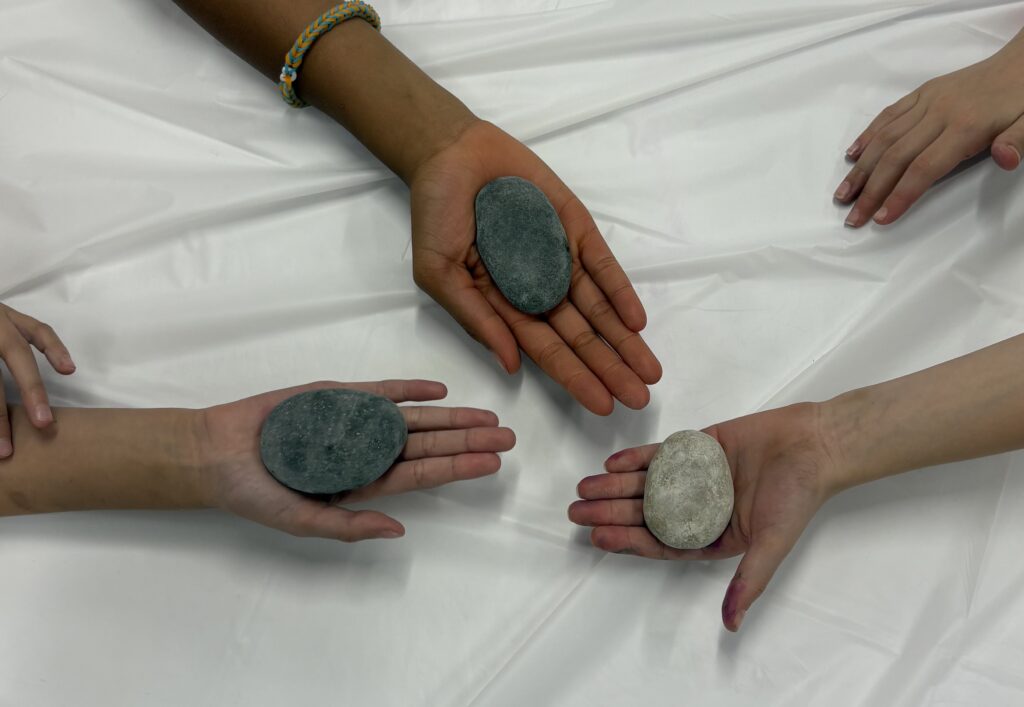
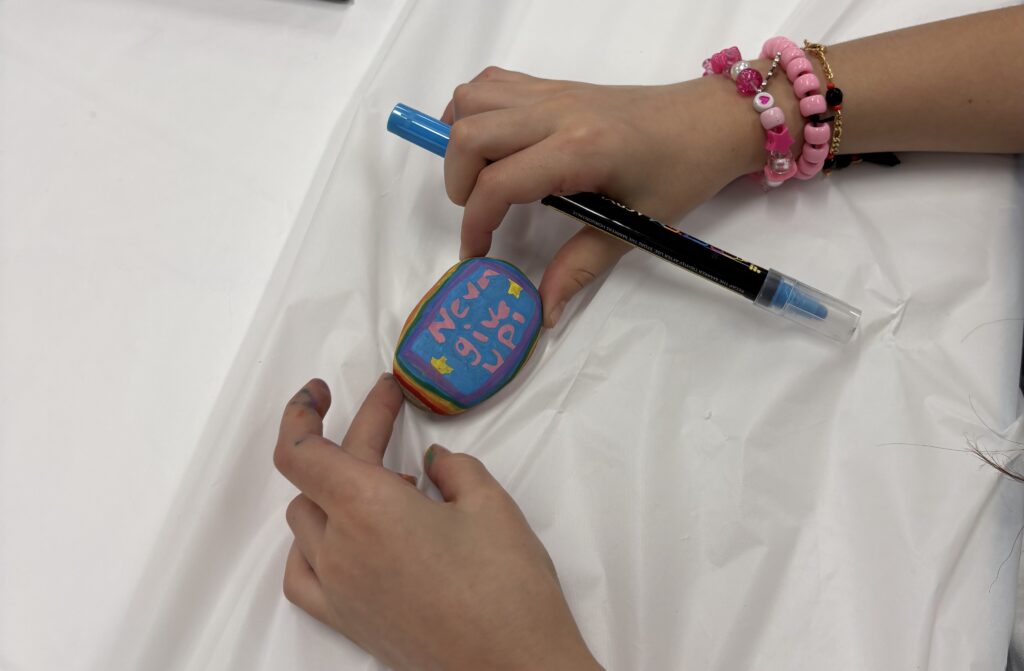
On the day we visited, students were learning about water conservation. They talked through what kinds of desert plants thrive without much water. They discussed swapping grass for rocks in their yards to cut down on water use. Then came the post-lesson activity: rock painting. Students painted words of affirmation onto smooth stones, one read “Never give up” in careful, colorful letters.
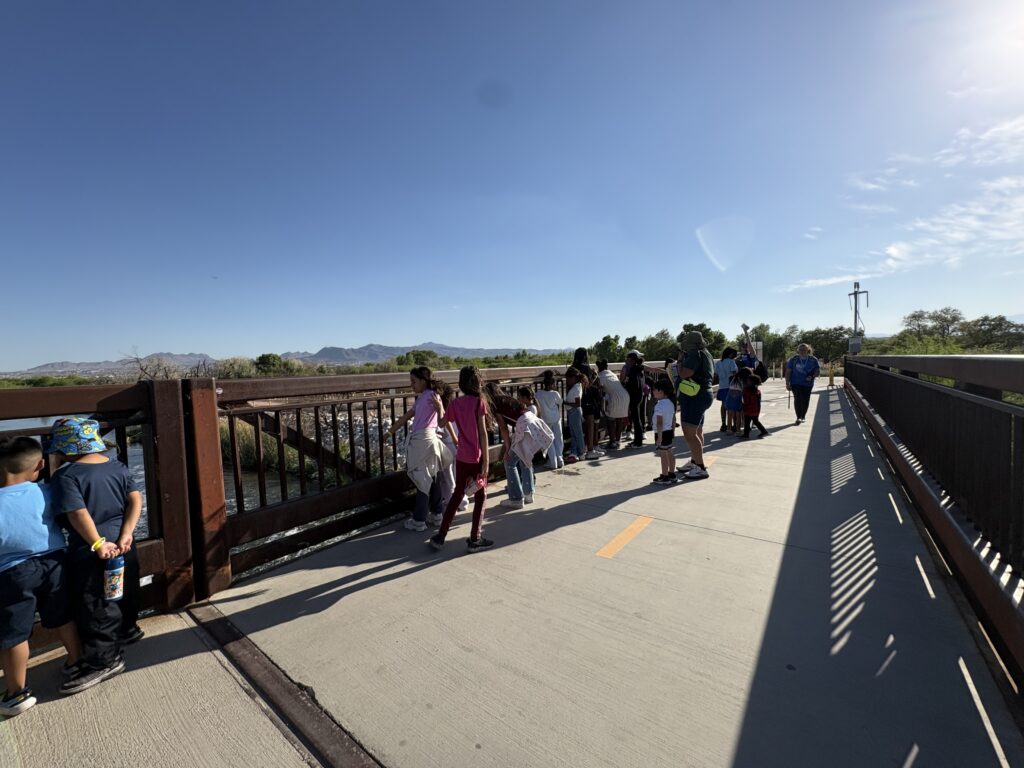
And then they started buzzing about their next trip: the Wetlands Nature Preserve. A place most of them had never seen before, sitting just 30 minutes from their school.
But the math is tight. Transportation alone consumes roughly $17,000 of the $25,000 grant. A single trip can cost anywhere from $200 to $500, and when funds run low, the program faces painful decisions.
“We sometimes have to cut trips from 50 students down to 25. It becomes first come, first served, and that’s tough.” — Jess Marco, Outdoor Education and Recreation Coordinator, YMCA of Southern Nevada
Marco described a moment that nearly derailed a trip entirely: the team could cover transportation but not the admission fee at their destination. They got a last-minute discount and the trip happened, but it wasn’t guaranteed.
“Without that extra support, it would’ve been a lot easier to say no,” said Jess Marco on what this funding means for their program.
What NOER Makes Possible
Before funding from the grant program arrived, transportation costs kept the curriculum grounded, literally. Coordinators spent significant time and energy just figuring out whether a bus would show up, not building the learning experience itself.
That changed with the grant.
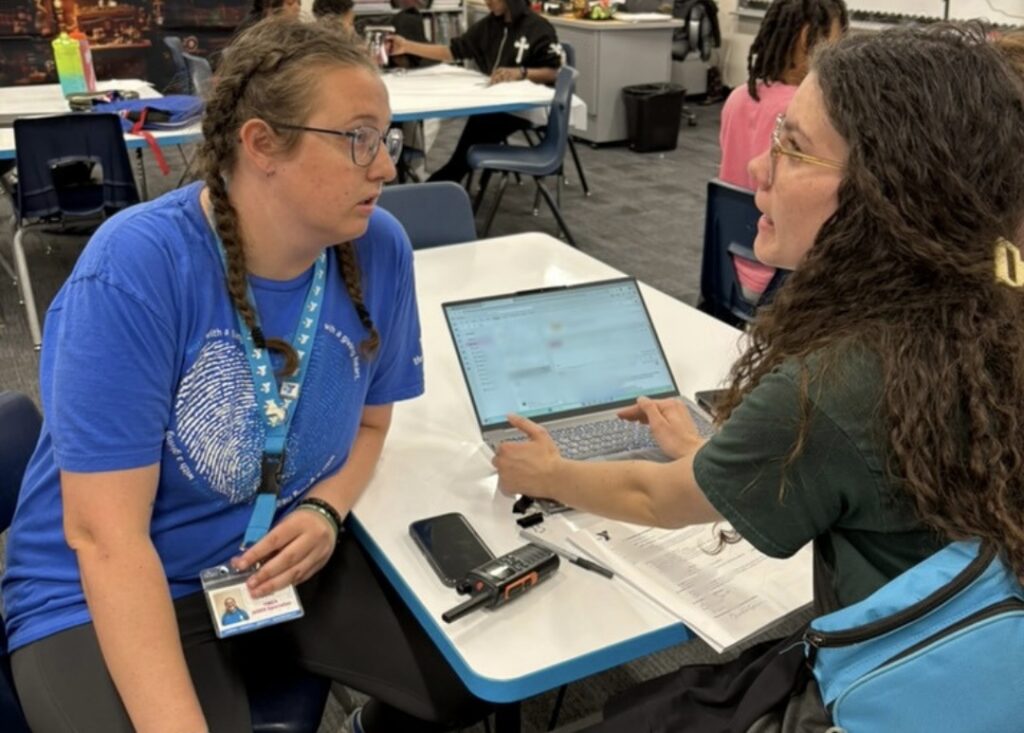
(Jess Marco, YMCA Outdoor Education and Recreation Coordinator | Emmaline Sawine, YMCA Katz E.S. Site Coordinator)
“It lets me actually dive into the curriculum a lot more to create really fun programming for these kids. I don’t have to worry about knowing if the bus is gonna come. I don’t have to worry about trying to pivot last minute because we don’t have enough money,” said J. Marco on the possibilities unlocked thanks to funding from Nevada’s outdoor recreation grants.
With that stability, students now learn deeply about where they’re going before they get there, and what they see when they arrive connects directly to what they studied in class.
They’re not just visiting a place They’re learning from it and connecting to the land they’re growing up in.
“Being outside makes me happy,” one student told us.
And those small moments reveal why it matters.
Kids Who Come Back Different
Power Scholars students don’t just visit these places once and move on. The program runs long enough that coordinators can watch something shift, in how students carry themselves, how they treat shared spaces, and how they talk about the outdoors.
“They’re a lot more careful about the things that they do, so that other people can come and have so much fun and see exactly what they saw. We see that mindset of, ‘This isn’t just about me and my experience, it’s also about the friends around me and the schools that are going to come after me,” said Jess.
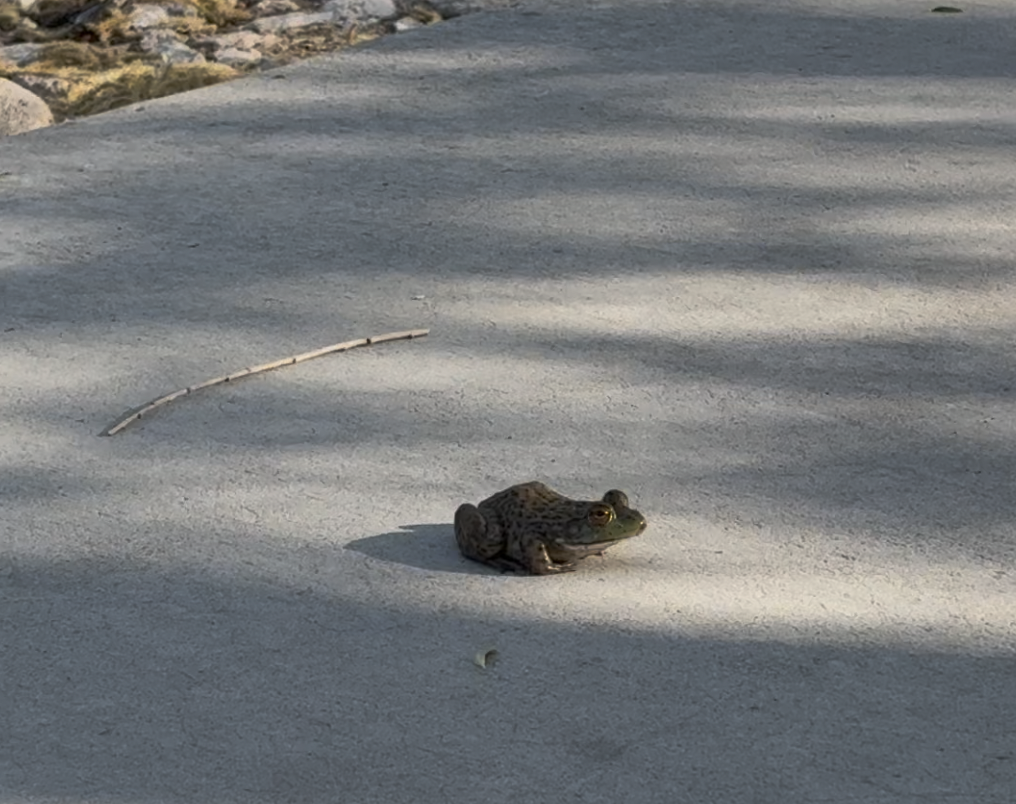
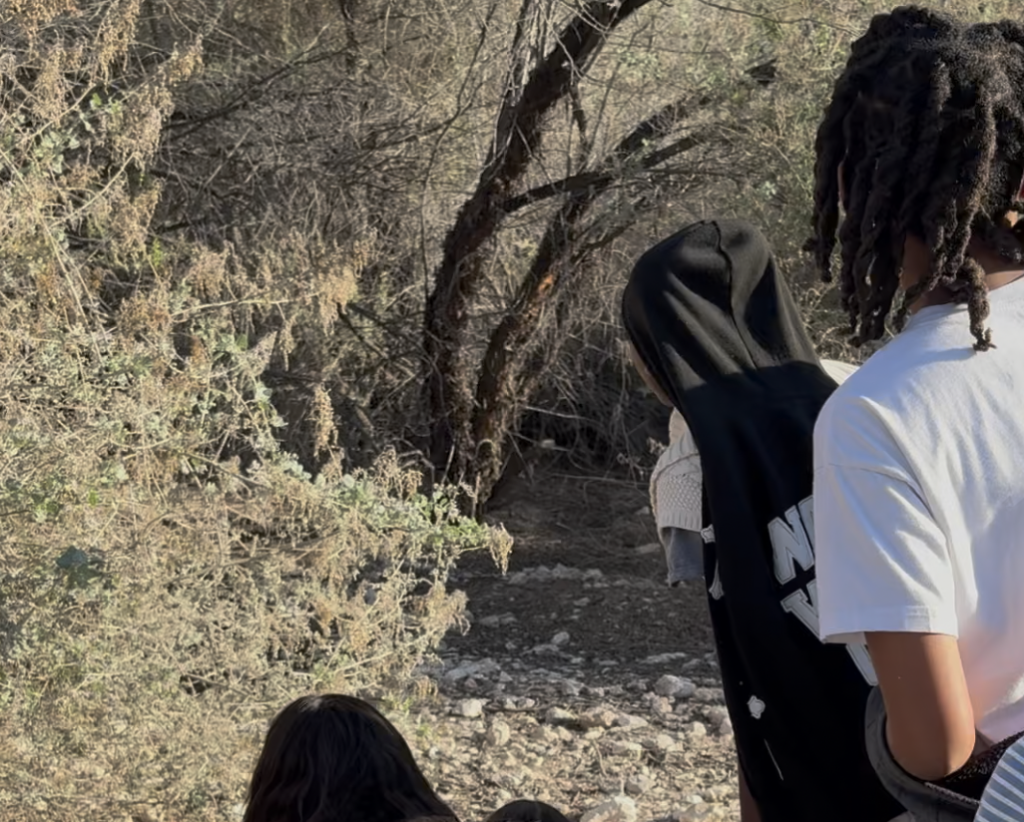
We saw that mindset in action at the Wetlands Nature Preserve. As students moved down a path, they spotted something on the ground. A Relict Leopard Frog, a protected and endemic species that rarely surfaces during daylight. Without being told, the students hushed each other and stepped carefully around it.
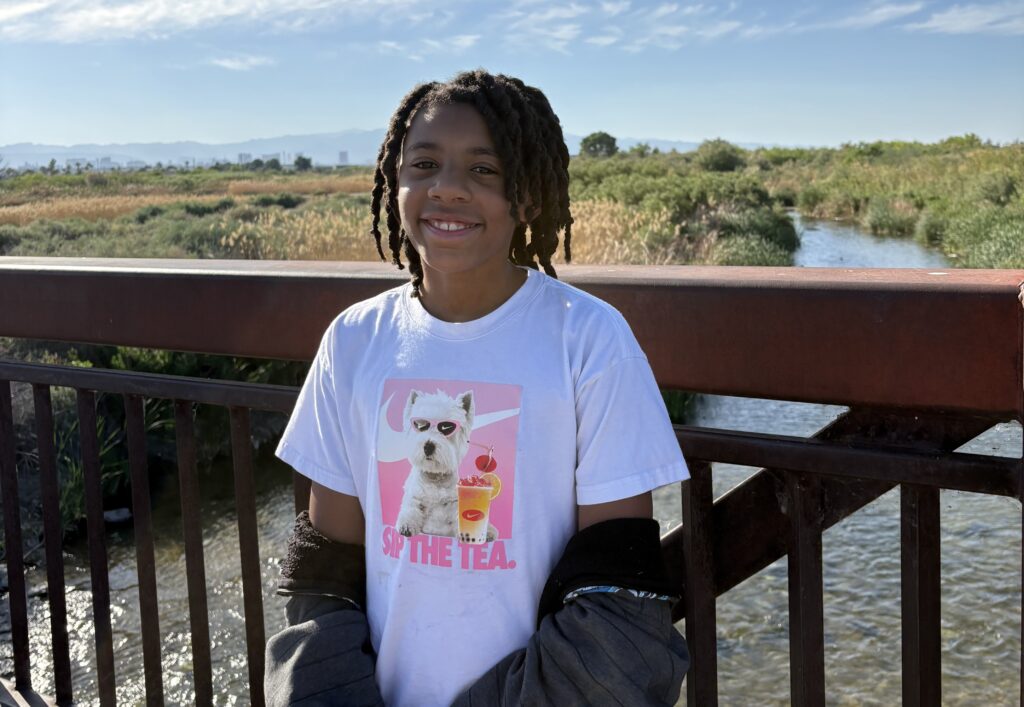
We also spoke with Marley, a third-grader at Katz, who shared what she’d taken away from the trip: “There’s lots of animals that you actually don’t get to see in different states. They’re here in different areas.”
The impact extends beyond the students themselves. Families are showing up. Marco has started seeing parents at community hikes, led by their kids!
When speaking on that, Jess excitedly said, “Kids are pointing things out to their parents, teaching them. It’s really powerful.” When students teach their families, it shows the learning has taken root — not just in a classroom, but in how they see the world, hallmark of socio-emotional learning (SEL) through nature.
(Marley, 3rd Grade, Katz Elementary)
‘Las Vegas is Huge, And Too Many Kids Never See It’
The demand for this program is real, and it’s growing. But limited funding still shapes what the YMCA of Southern Nevada can say yes to.
Marco thinks about this often, especially the kids who haven’t made it into the program yet.
“Las Vegas is huge. There are so many kids who have never been to places like Mt. Charleston or Red Rock. I think about that all the time: how do we reach them?” said Jess.
Right now, the program serves around 200 students. It could serve 500, across more schools, reaching more kids who have grown up in one of the most outdoor-rich states in the country without ever experiencing it.
The demand is there. The model works. Funding is the gap.
The Work Isn’t Done
The story of Power Scholars is one example of what becomes possible when access meets opportunity. But there are many more stories waiting to be told, and many more students waiting for their first trip.
With the 2027 legislative session approaching, now is the time to act. Programs like this one show proof of impact and proof of unmet demand. The first NOER grant cycle received 64 proposals requesting $1.4 million, against $250,000 in available funding. The math tells the story.
Sign up for Action Alerts to stay informed ahead of the 2027 session. Add your voice in support of full funding for NOER so more students can experience wonder, belonging, and discovery in the public lands that belong to all of us.
Every child deserves the chance to step outside, explore their world, and see themselves in it.
Are you a NOER recipient, educator, parent, or community partner? We want to hear from you. How has outdoor education impacted your students or your family? Why do public lands matter to you? Reach out to Yesi: yesenia@nevadaconservationleague.org. Your story helps build the case for what’s worth investing in.